
Why Does Hands-On Training Matters in Makeup Academies?
- Apr 20
- 4 min read
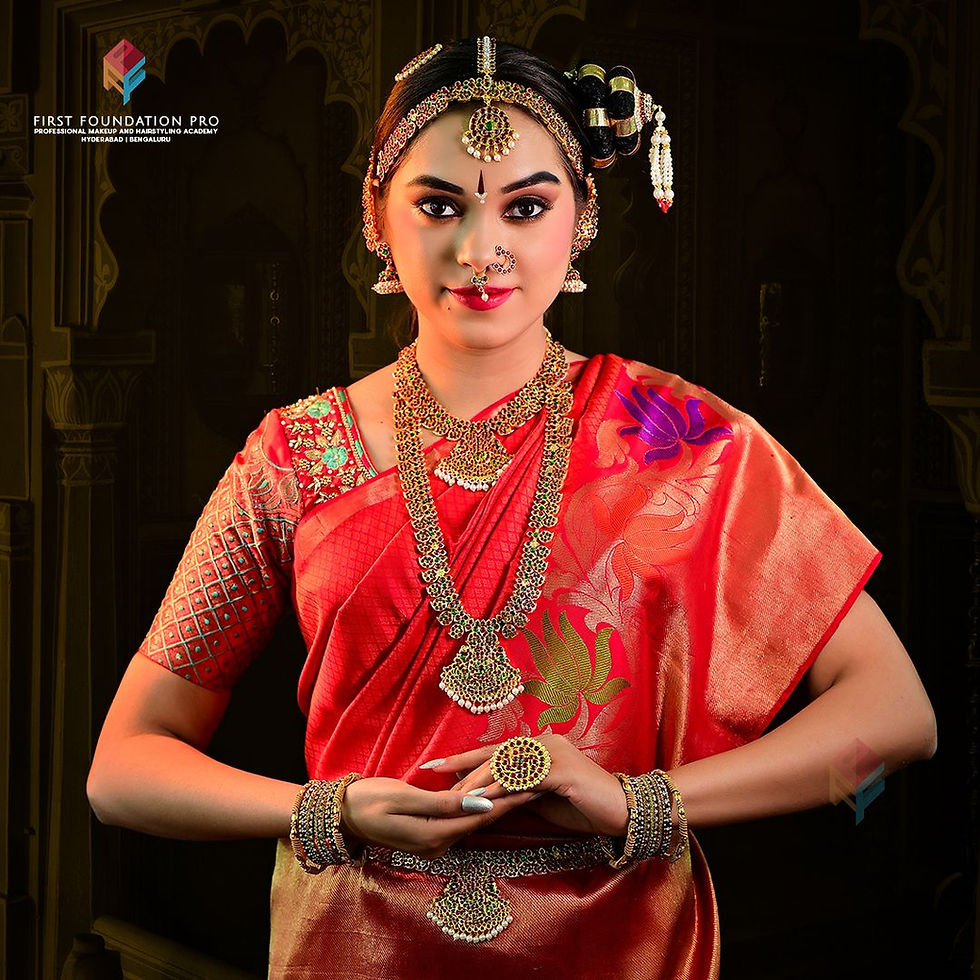
The beauty industry is one of the most skill-driven fields, where practical expertise matters more than theoretical knowledge. While learning the basics of makeup artistry is important, true mastery comes only through experience. This is why hands-on training in makeup academies plays a crucial role in shaping successful makeup artists.
Aspiring professional makeup courses in Hyderabad often focus on course content and certification, but the quality of practical training can make a significant difference in their careers. Let’s explore why hands-on training is essential and how it helps students become confident and skilled makeup artists.
Builds Real Skills, Not Just Theory
Makeup artistry is not something that can be mastered by reading or watching tutorials alone. While theory provides the foundation, applying techniques in real situations is what truly develops skill.
Hands-on training in makeup academies allows students to practice what they learn, helping them understand:
How products behave on different skin types
The right blending techniques
Proper use of tools and brushes
This practical approach ensures that students don’t just learn concepts—they learn how to execute them effectively.
Improves Confidence and Speed
Confidence is a key factor in becoming a successful makeup artist. Working on real clients or models helps students overcome hesitation and self-doubt.
Through continuous practice, students:
Gain confidence in their abilities
Improve speed and efficiency
Learn to handle time-sensitive situations
This is especially important in professional settings like weddings or events, where time management is critical.
Exposure to Different Skin Types and Faces
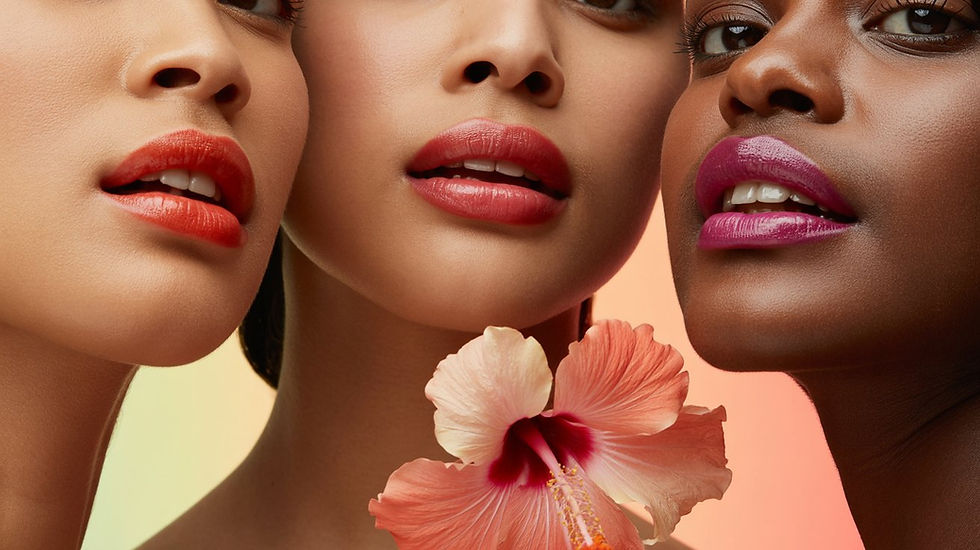
Every client is unique, with different skin tones, textures, and facial features.
Hands-on training in makeup academies provides exposure to a variety of models, allowing students to:
Work on different skin types (dry, oily, combination)
Understand diverse skin tones
Adapt techniques for different face shapes
This versatility is essential for delivering personalised and professional results.
Helps Master Advanced Techniques
Advanced makeup techniques such as contouring, airbrush makeup, and HD makeup require precision and practice.
Practical training enables students to:
Perfect blending and shading
Learn product layering techniques
Achieve flawless finishes
Without hands-on experience, mastering these techniques can be extremely difficult.
Prepares for Real-World Scenarios
The professional world is very different from a classroom environment. Makeup artists often work under pressure, manage multiple clients, and deal with unexpected challenges.
Hands-on training prepares students for such scenarios by:
Simulating real client interactions
Teaching problem-solving skills
Building adaptability
This real-world exposure ensures that students are job-ready from day one.
Enhances Creativity
Makeup artistry is a creative field that requires experimentation and innovation.
Practical sessions encourage students to:
Try different looks and styles
Experiment with colors and techniques
Develop their unique style
This creative freedom helps students stand out in the competitive beauty industry.
Immediate Feedback and Improvement
One of the biggest advantages of hands-on training in makeup academies is the opportunity to receive instant feedback from trainers.
This helps students:
Identify mistakes
Improve techniques
Learn faster
Continuous feedback accelerates learning and ensures consistent progress.
Builds a Strong Portfolio
A professional portfolio is essential for showcasing your work.
Through practical training, students can:
Create multiple makeup looks
Participate in photoshoots
Build a diverse portfolio
This portfolio becomes a powerful tool for attracting clients and job opportunities.
Develops Professional Etiquette
Success in the beauty industry is not just about technical skills—it also involves professionalism.
Hands-on training helps students learn:
Client communication
Hygiene practices
Time management
Work ethics
These soft skills are equally important for building a successful career.
Increases Employability
Employers and clients prefer makeup artists who have practical experience.
Students who undergo hands-on training in makeup academies are more likely to:
Get hired quickly
Handle clients confidently
Deliver high-quality results
This makes practical training a key factor in career success.
Why is Practical Training Non-Negotiable?
In a skill-based profession like makeup artistry, theoretical knowledge alone is not enough. Hands-on experience bridges the gap between learning and application.
Makeup academies that focus on practical training ensure that students are not just learners but professionals in the making. This approach builds confidence, enhances creativity, and prepares students for real-world challenges.
Conclusion
Hands-on training in Beautician course in hyderabad is the backbone of a successful makeup career. It transforms theoretical knowledge into practical expertise, helping students become confident, skilled, and industry-ready professionals.
From improving techniques and building a portfolio to preparing for real-world scenarios, practical training plays a vital role in every stage of learning.
If you are planning to pursue a career in makeup artistry, choosing an academy that emphasises hands-on training is one of the most important decisions you can make. It’s the key to turning your passion into a profession and achieving long-term success in the beauty industry.
FAQs
1. What is hands-on training in makeup academies?
It refers to practical learning where students apply makeup techniques on real models instead of just studying theory.
2. Why is hands-on training important for makeup artists?
It helps develop real skills, improve confidence, and prepare for professional work.
3. Can I learn makeup without practical training?
While theory can help, practical training is essential to master techniques and gain experience.
4. How does hands-on training improve confidence?
Regular practice on real models helps reduce fear and builds confidence in handling clients.
5. Does hands-on training help in getting jobs?
Yes, practical experience increases employability and makes you job-ready.
6. How much practice is needed to become a good makeup artist?
Consistent practice over time is key to improving skills and achieving professional-level expertise.


Comments